



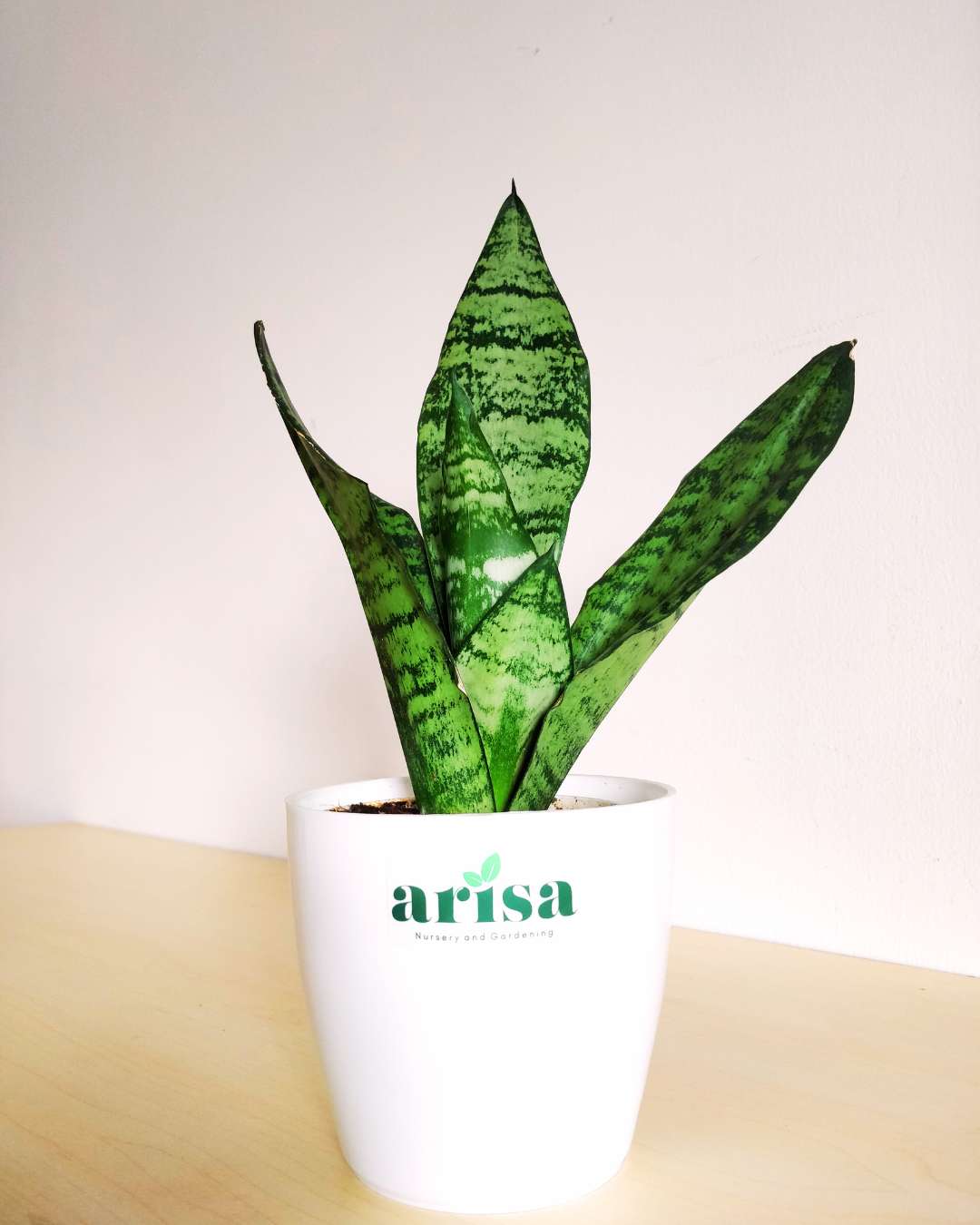
Snake Plant Green Sansevieria
$ 3.13
Share :
Care Tips for Snake Plant Sansevieria: ��Light: Snake Plants prefer indirect light but are highly adaptable to a wide range of light conditions, from low light to bright, indirect light. Avoid direct sunlight for long periods, as it can scorch the leaves. ��Watering: Water only when the soil is completely dry. Snake Plants are drought-tolerant and prefer less frequent watering. During warmer months, water every 2-4 weeks. In cooler months, water even less, about once every 4-6 weeks. Be careful not to overwater, as this can cause root rot. ��Soil: Use a well-draining, sandy potting mix to prevent water from sitting in the soil. Cactus or succulent soil works well for Snake Plants. ��️Temperature & Humidity: Snake Plants thrive in temperatures between 16°C-29°C. They can tolerate dry air but prefer average humidity levels. Avoid exposing the plant to temperatures below (10°C). ��Fertilizing: Fertilize sparingly, only during the growing season . Use a balanced, diluted houseplant fertilizer once a month. ��Repotting: Repot only when the plant becomes root-bound. Typically, this may be every 2-3 years. Use a slightly larger pot with fresh soil. ✂Pruning: Prune any yellow, damaged, or dead leaves to maintain the plant’s appearance and health. ��️Pest Control: Snake Plants are typically pest-resistant, but they can occasionally attract mealybugs or spider mites. Wipe the leaves with a damp cloth and treat with insecticidal soap if necessary. ��Pet Toxicity: While Snake Plants are mildly toxic to pets if ingested, causing nausea or vomiting, they are generally safe when kept out of reach.
Related Products








You May Also Like This


Sale!

Sale!


Sale!

Sale!