

Thymosin Alpha 1 (TA1) Complex Thymulin (10mg/6.4mg)
$ 97.20
Thymosin Alpha 1 (TA1) Complex Thymulin (10mg/6.4mg) – Complete Guide to Immune Support Peptides Understanding Thymosin Alpha 1 (TA1) Complex Thymulin (10mg/6.4mg) The world of peptide research and immune-support compounds has expanded rapidly in recent years, with scientists and wellness professionals exploring peptides that may support immune system function, cellular communication, and overall biological balance. Among the most discussed compounds in peptide research today is Thymosin Alpha 1 (TA1) Complex Thymulin (10mg/6.4mg). This peptide combination has gained increasing attention because of its association with immune modulation, thymus support, and potential applications in advanced peptide research. Researchers studying immune regulation and cellular signaling often explore compounds such as Thymosin Alpha 1 and Thymulin due to their important roles in immune system activity. In this article, we will explore what Thymosin Alpha 1 Complex Thymulin is, how these peptides function, potential research areas, and why this peptide combination continues to generate interest within peptide science and wellness discussions. What Is Thymosin Alpha 1 (TA1)? A Naturally Occurring Immune Peptide Thymosin Alpha 1, often abbreviated as TA1, is a naturally occurring peptide originally isolated from the thymus gland. The thymus plays a major role in immune system development, especially in the maturation and regulation of T-cells, which are critical components of immune defense. TA1 is composed of 28 amino acids and has been studied extensively for its potential role in: Immune system regulation T-cell function support Cellular communication Immune response modulation Biological balance and signaling Researchers continue investigating TA1 because of its importance in immune-related peptide research and cellular health studies. What Is Thymulin? A Key Thymic Peptide Thymulin is another peptide associated with thymus gland activity and immune system regulation. It has been researched for its relationship to immune signaling and interactions involving T-cell development and immune communication. Thymulin is commonly studied for its potential involvement in: Immune modulation Neuroendocrine interactions Cellular communication Thymus function support Biological regulation processes Because both TA1 and Thymulin are connected to thymic activity, combining these peptides into a complex formula has become increasingly interesting in peptide research communities. Understanding the TA1 Complex Thymulin Formula Why Researchers Explore This Combination The Thymosin Alpha 1 (TA1) Complex Thymulin (10mg/6.4mg) formula combines two thymic peptides that may work together in research settings involving immune system support and biological regulation. This peptide complex is often explored for potential synergy related to: Immune system signaling Cellular defense mechanisms T-cell support research Immune balance studies Inflammatory response research Biological communication pathways The combined peptide formulation allows researchers to investigate how multiple thymic peptides may interact within broader immune and cellular systems. The Importance of the Thymus Gland Why Thymic Peptides Matter The thymus gland plays a crucial role in immune system development, especially during early life stages. It is responsible for helping produce and regulate T-cells, which are essential for immune defense and adaptive immunity. As interest in immune-support peptides grows, researchers increasingly focus on thymic peptides because of their connection to: Immune resilience Cellular defense T-cell maturation Biological communication Immune regulation pathways Peptides like TA1 and Thymulin are considered important because they are naturally associated with thymus function and immune signaling activity. Potential Research Areas for TA1 Complex Thymulin Growing Interest in Peptide Science Researchers continue exploring the potential applications of Thymosin Alpha 1 Complex Thymulin in multiple scientific and wellness-related areas. Some common areas of interest include: Immune System Research TA1 and Thymulin are frequently studied for their possible effects on immune response and immune system communication pathways. Researchers explore how these peptides may influence: T-cell function Immune signaling Cellular defense mechanisms Immune modulation pathways Inflammatory Response Studies Inflammation regulation is another area where thymic peptides continue attracting research attention. Studies often focus on: Cytokine signaling Cellular inflammatory responses Immune balance mechanisms Biological stress response pathways Cellular Communication Research Peptides play a major role in cellular signaling and biological communication throughout the body. Researchers are interested in how TA1 and Thymulin may interact with: Cellular receptors Immune signaling networks Neuroimmune pathways Regulatory communication systems Why Peptide Research Continues Expanding The Rise of Peptide Science The peptide industry has grown significantly as scientists continue discovering the important role peptides play in biological regulation and communication. Today, peptides are studied in connection with: Immune support research Recovery science Longevity research Cellular health studies Wellness optimization Performance science Peptides like Thymosin Alpha 1 and Thymulin continue gaining attention because they are naturally connected to immune regulation and biological balance. As peptide science evolves, advanced peptide combinations such as TA1 Complex Thymulin are becoming increasingly popular in research-focused communities. Understanding Peptide Purity and Quality Why Quality Matters When researching peptides, purity and product quality are extremely important. High-quality peptide formulations help support consistency in laboratory and research environments. Researchers often prioritize: Third-party testing Laboratory-grade manufacturing Peptide purity verification Reliable formulation standards Proper storage practices Consistency and quality remain major priorities within the growing peptide industry. The Future of Immune Peptide Research Expanding Scientific Interest The future of immune peptide research appears highly promising as scientists continue exploring how peptides influence biological regulation and immune system activity. Emerging areas of peptide research may include: Advanced immune modulation studies Longevity and healthy aging research Cellular communication science Recovery optimization Neuroimmune interactions Precision wellness research Thymic peptides like TA1 and Thymulin are expected to remain important subjects within these growing scientific fields. Thymosin Alpha 1 (TA1) Complex Thymulin (10mg/6.4mg) The Thymosin Alpha 1 (TA1) Complex Thymulin (10mg/6.4mg) peptide combination continues gaining attention within peptide science because of its association with immune system support, thymic function, and biological regulation research. Thymosin Alpha 1 (TA1) Complex Thymulin – Advanced Immune Support Peptide Research & Modern Peptide Innovation.
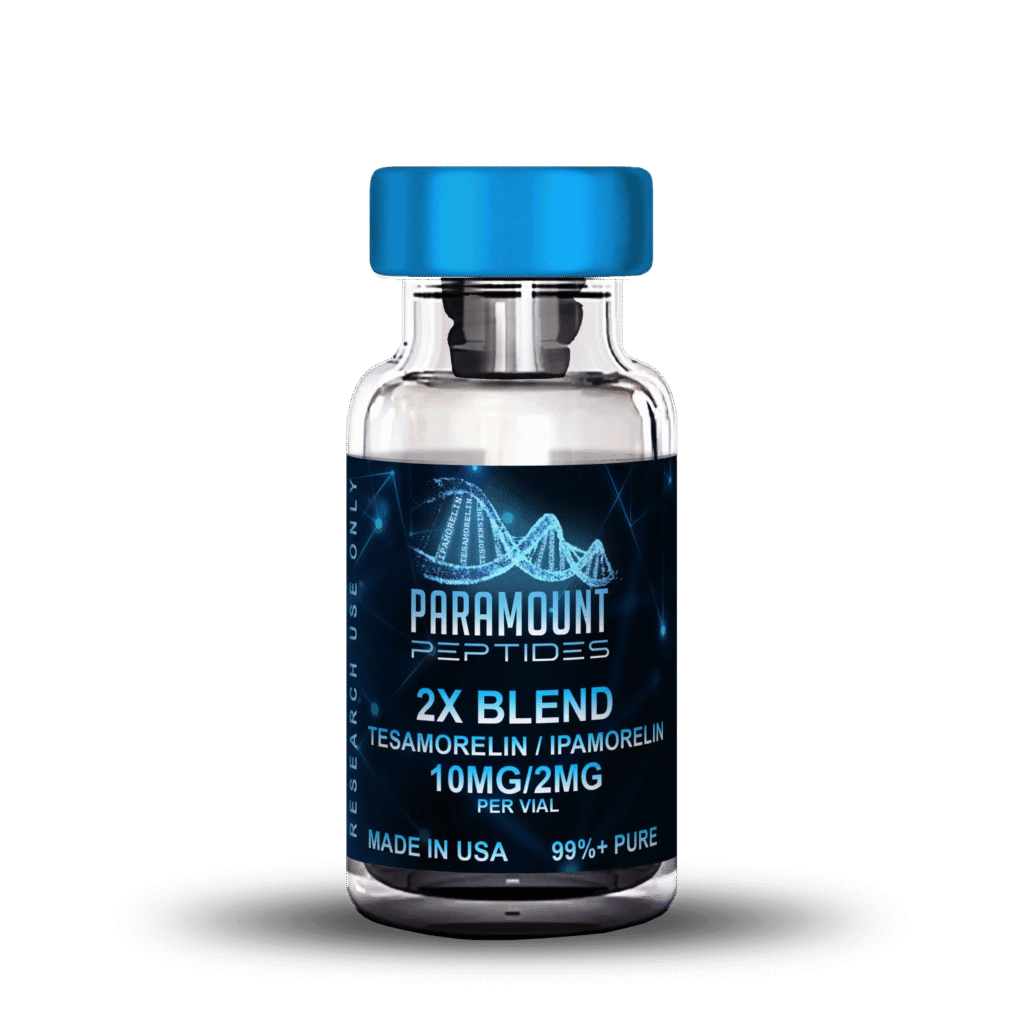 2X Blend Tesamorelin (10mg) / Ipamorelin (2mg) Research Bundle
 2X Blend Tesamorelin (10mg) / Ipamorelin (5mg) Research Bundle
 GLOW 50 – GHK-CU (30mg) / BPC-157 (10mg) / TB500 (10mg)