

MT-II (Melanotan II) (10mg)
$ 45.00
MT-II (Melanotan II) (10mg): Benefits, Research, Uses, and Complete Guide Introduction MT-II (Melanotan II) (10mg) is one of the most widely discussed peptides in tanning and melanocortin research. Known for its potential role in skin pigmentation, appetite regulation, and melanocortin receptor activity, Melanotan II has attracted significant attention in peptide science and wellness communities. Researchers continue exploring MT-II because of its unique interaction with the body’s melanocortin system, which influences several biological processes related to pigmentation, energy balance, and physiological signaling. As peptide research expands worldwide, interest in MT-II (Melanotan II) (10mg) continues to grow among individuals researching tanning peptides, skin-related science, and melanocortin receptor pathways. This article explores what MT-II is, how it works, potential research applications, current scientific interest, and why the 10mg format is commonly referenced in peptide discussions. What Is MT-II (Melanotan II)? Melanotan II, commonly abbreviated as MT-II, is a synthetic peptide developed as an analog of alpha-melanocyte-stimulating hormone (α-MSH). This hormone naturally occurs in the body and plays an important role in pigmentation and melanocortin receptor signaling. Researchers designed MT-II to mimic certain biological activities associated with α-MSH. The peptide interacts with melanocortin receptors, particularly those connected to melanin production in the skin. Because of this mechanism, MT-II became widely known in tanning-related peptide research. Why Is MT-II (Melanotan II) (10mg) Popular? MT-II (Melanotan II) (10mg) has gained popularity for several reasons, particularly within peptide and pigmentation research communities. Researchers are interested in MT-II because of its possible relationship with: Skin pigmentation research Melanin production studies UV response investigations Appetite-related signaling Melanocortin receptor science Physiological regulation pathways Its broad biological activity has made MT-II one of the most recognized peptides in melanocortin-related research. How Does MT-II Work? Melanocortin Receptor Activation MT-II primarily works by interacting with melanocortin receptors located throughout the body. These receptors are involved in several physiological processes, including pigmentation and energy regulation. Researchers believe MT-II may stimulate melanin production by activating melanocytes, the cells responsible for skin pigmentation. Pigmentation Research One of the main reasons MT-II became well known is its connection to tanning-related research. Studies suggest the peptide may influence: Melanin synthesis Pigment response pathways UV-related pigmentation mechanisms Because melanin plays a protective role against ultraviolet radiation, researchers continue exploring how melanocortin peptides affect skin biology. Appetite and Energy Regulation Studies Beyond pigmentation research, scientists are also studying MT-II’s potential influence on appetite signaling and energy balance. Melanocortin receptors are linked to pathways involved in: Hunger regulation Energy expenditure Metabolic signaling This broader receptor activity has expanded scientific interest in MT-II beyond tanning research alone. Potential Benefits of MT-II (Melanotan II) (10mg) Although research remains ongoing and clinical conclusions are limited, MT-II has been associated with several areas of scientific investigation. 1. Skin Pigmentation Research The most recognized area of MT-II research involves melanin production and pigmentation pathways. Researchers continue studying how the peptide interacts with melanocytes and tanning-related biological processes. 2. UV Response Studies Some research explores whether increased melanin production may influence the skin’s response to ultraviolet exposure. This area continues to attract scientific attention in dermatological research. 3. Appetite Regulation Research MT-II has also been studied for its interaction with appetite-related signaling pathways connected to melanocortin receptors. Researchers are examining how these pathways may affect hunger and energy balance. 4. Melanocortin System Research The peptide is commonly discussed in studies involving melanocortin receptor activity and broader physiological signaling mechanisms. 5. Wellness and Recovery Discussions Within peptide communities, MT-II is frequently mentioned in conversations related to appearance-focused wellness and lifestyle research. Why the 10mg Format Is Common The MT-II (Melanotan II) (10mg) format is widely used because it provides a standardized quantity suitable for peptide research and laboratory handling. Benefits of the 10mg format may include: Easier measurement Standardized protocols Improved storage management Reduced handling waste Flexible research applications The 10mg presentation has become a common industry standard for many peptide-related research products. Current Research on MT-II Scientific interest in MT-II continues across multiple disciplines. Dermatology Research Researchers are studying MT-II’s influence on melanin production and pigmentation pathways. Melanocortin Receptor Studies Scientists continue investigating how melanocortin receptor activation affects various biological systems. Metabolic Signaling Research Some studies explore MT-II’s potential interaction with appetite regulation and metabolic communication pathways. Skin Biology Research Researchers are also examining how melanocortin peptides influence skin physiology and UV response mechanisms. Although many findings remain preliminary, interest in melanocortin science continues to expand. Storage and Handling Guidelines Proper peptide handling is important for maintaining stability and quality. Researchers generally recommend: Keeping MT-II in a cool, dry environment Protecting it from heat and sunlight Using sterile handling procedures Refrigerating after reconstitution if necessary Because peptides are biologically sensitive compounds, proper storage is essential. Choosing a Quality MT-II (Melanotan II) (10mg) Product When researching peptide products, sourcing quality should always be a priority. Look for suppliers that provide: Third-party purity testing Batch verification Transparent manufacturing standards Research documentation Proper storage recommendations Reliable peptide sourcing helps support consistency and research integrity.
 Wolverine Blend – BPC-157 (10mg) / TB500 (10mg)
 Thymosin Alpha 1 (TA1) Complex Thymulin (10mg/6.4mg)
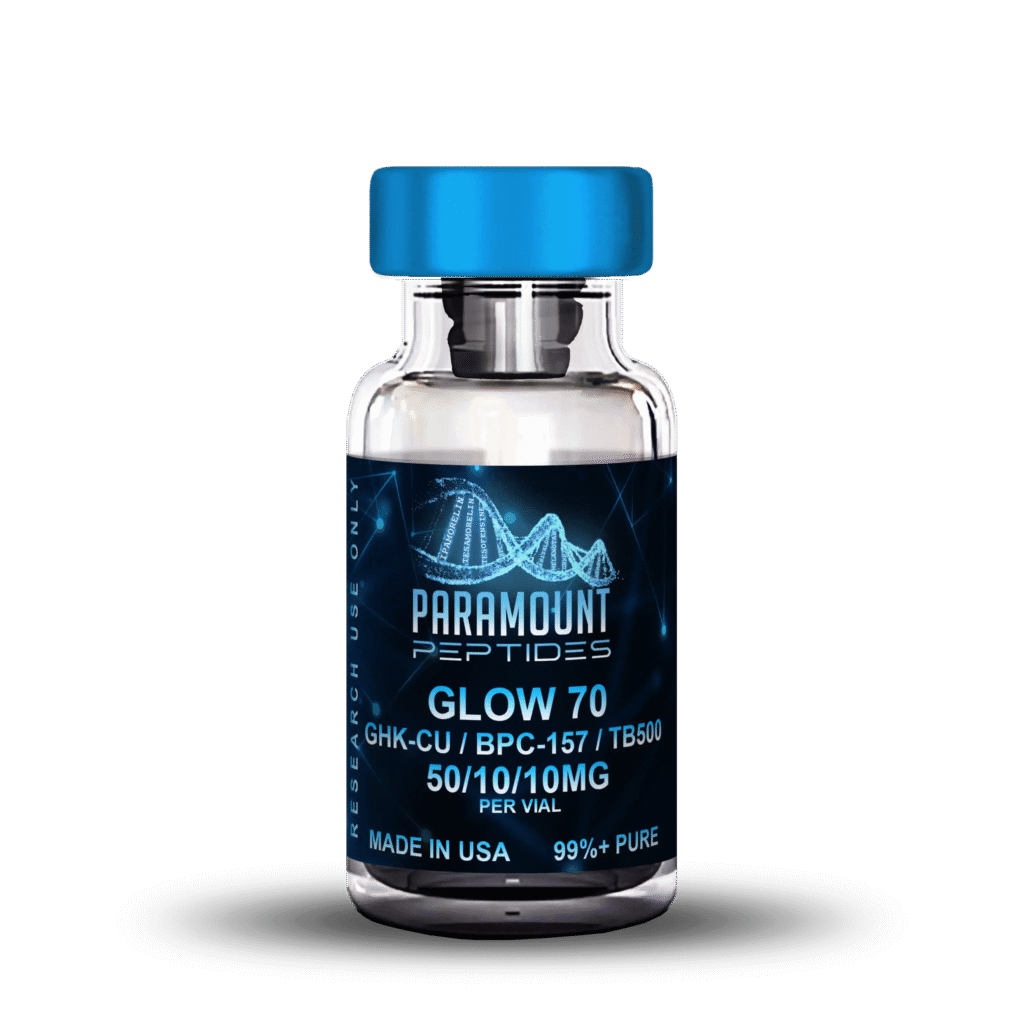 GLOW 70 – GHK-CU (50mg) / BPC-157 (10mg) / TB500 (10mg)