

CJC-1295 – No DAC (10mg)
$ 67.50
Cardiogen (20mg): Advanced Peptide Research for Cardiovascular and Cellular Health Cardiogen (20mg) is a specialized peptide bioregulator gaining attention in cardiovascular and regenerative research. Known for its potential role in supporting heart tissue function and promoting cellular balance, Cardiogen has become an important compound in studies related to longevity, cardiovascular wellness, and tissue repair. As peptide science continues to grow across the USA and UK, researchers are increasingly exploring compounds like Cardiogen for their ability to target specific biological systems at the cellular level. What Is Cardiogen (20mg)? Cardiogen is a peptide bioregulator developed for studies involving cardiovascular function and cellular communication. Peptide bioregulators are short chains of amino acids believed to influence gene expression and support tissue-specific cellular activity. Cardiogen is specifically researched for its potential effects on: Heart tissue maintenance Cellular regeneration Cardiovascular resilience Protein synthesis within cardiac cells The 20mg peptide format provides a concentrated dosage option suitable for advanced laboratory and scientific research. How Does Cardiogen Work? Cardiogen is believed to act at the cellular level by influencing biological signaling pathways associated with heart tissue and cardiovascular function. Key Mechanisms Being Studied Include: Supporting healthy cellular metabolism in cardiac tissue Assisting communication between heart cells Promoting tissue repair and regeneration pathways Supporting protein synthesis in cardiovascular systems Enhancing cellular resilience under stress conditions Researchers are particularly interested in how peptide bioregulators may help maintain healthy tissue function and cellular efficiency over time. Potential Benefits of Cardiogen (20mg) Although Cardiogen is intended strictly for research purposes, several potential benefits are being explored in laboratory studies. 1. Cardiovascular Support Research Cardiogen is primarily studied for its potential to support healthy heart tissue and cardiovascular performance. 2. Cellular Regeneration Studies Researchers investigate how the peptide may influence tissue repair and regenerative pathways. 3. Longevity and Healthy Aging Research Cardiovascular health is closely linked to overall aging, making Cardiogen relevant in anti-aging and longevity-focused studies. 4. Tissue Stress Resistance The peptide may help researchers better understand how heart tissue responds to physical and oxidative stress. 5. Cellular Communication Enhancement Cardiogen is also studied for its possible role in improving communication and signaling between cardiovascular cells. Why Researchers Use Cardiogen (20mg) The 20mg format offers several advantages in peptide and regenerative research. Benefits of the 20mg Format Include: Precise and standardized dosing High peptide concentration for advanced protocols Convenient storage and handling Consistent quality across studies Suitable for long-term research applications These features make Cardiogen a practical option for structured laboratory environments. Common Research Applications Cardiogen is increasingly studied across several areas of peptide science and regenerative medicine. Common Applications Include: Cardiovascular health research Cellular repair and tissue regeneration studies Anti-aging and longevity science Molecular signaling pathway analysis Organ-specific peptide bioregulator research Stress adaptation and tissue resilience studies Its tissue-specific focus makes it highly relevant in modern peptide research. Cardiogen and Peptide Bioregulators Cardiogen belongs to a growing class of compounds known as peptide bioregulators. These peptides are researched for their potential ability to support specific organs and tissues through cellular signaling pathways. Researchers Explore Bioregulators For: Organ-specific cellular support Healthy aging mechanisms Gene expression modulation Cellular efficiency optimization Tissue-specific regenerative pathways Cardiogen is specifically associated with cardiovascular-focused bioregulator studies. Storage and Handling Guidelines Proper storage is essential for maintaining peptide stability and research integrity. Recommended Storage Conditions: Store refrigerated between 2°C–8°C Keep away from direct sunlight and moisture Use sterile handling procedures Avoid repeated freeze-thaw cycles after reconstitution Following proper handling protocols helps preserve peptide quality during research use. Important Considerations Include: Not approved for unauthorized use outside regulated settings Long-term biological effects continue to be studied Requires controlled handling in research environments Studies should comply with institutional and ethical guidelines Researchers should maintain accurate records and standardized experimental procedures. Conclusion Cardiogen (20mg) is an advanced peptide bioregulator with growing importance in cardiovascular and regenerative research. Its potential role in supporting heart tissue function, cellular communication, and healthy aging pathways makes it a valuable subject in modern peptide science. As interest in tissue-specific peptides continues to expand across the USA and UK, Cardiogen remains a promising compound for studies involving cardiovascular resilience, regeneration, and long-term cellular health.
 MT-II (Melanotan II) (10mg)
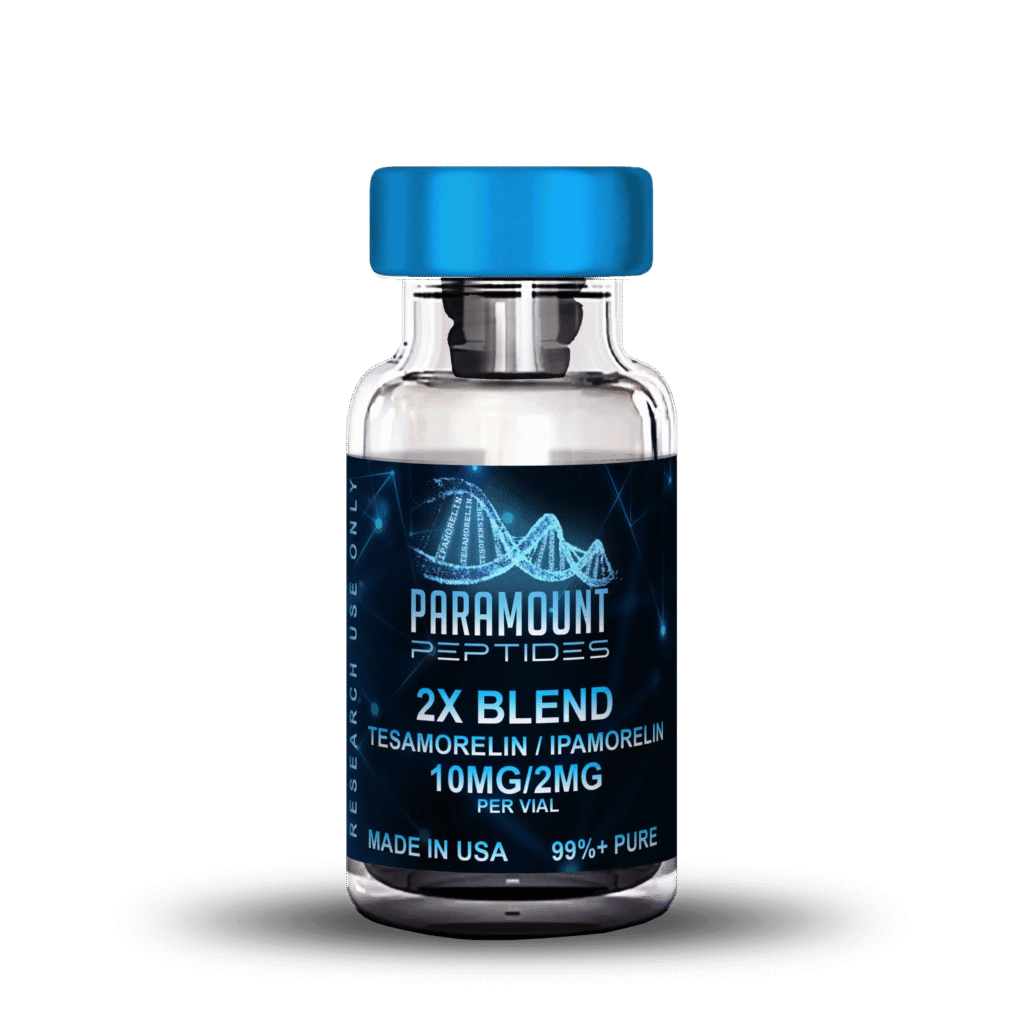 2X Blend Tesamorelin (10mg) / Ipamorelin (2mg) Research Bundle